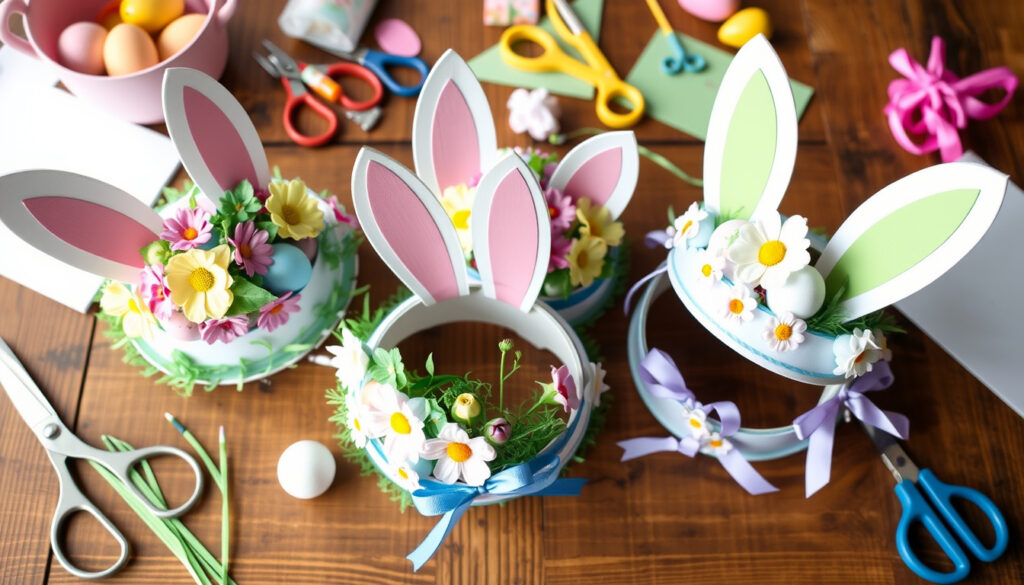
Easter Hat Ideas: Easy DIY Bonnets for Kids & School
Last-minute Easter hat assignments need not cause panic. Most Easter bonnets take under 10 minutes to assemble with supplies you probably already have at home.
Pinterest Boards: 290+ Easter bonnet ideas · Common Themes: Chicks, eggs, bunnies, carrots · Top Sites: Baker Ross, Premier Education · Idea Lists: 10-18 ideas per guide
Quick snapshot
- Easter bonnet is the traditional hat worn at Easter (Bright Star Labels)
- Paper plate bunny bonnets assemble in about 10 minutes (Twinkl)
- Simple Easter bonnets need only 5 materials (Twinkl)
- Exact 2026 decor trends for Easter hats remain unconfirmed
- Regional variations across countries not well documented
- Paper mache hats work best made over the weekend before Easter (Rainy Day Mum)
- Last-minute options ready before school runs exist for every skill level (Rainy Day Mum)
- Choose your child’s skill level and available time, then pick a theme
- Gather 5 basic supplies from around the house
- Assemble and decorate within 10-60 minutes depending on design
This table summarizes the key parameters across popular Easter bonnet designs, from assembly time to material requirements.
| Label | Value |
|---|---|
| Traditional Hat | Easter bonnet |
| Key Embellishments | Fluffy chicks, eggs, bunnies, carrots |
| Inspiration Source | Pinterest boards (290+ ideas) |
| Popular Guide | Baker Ross winning bonnet tutorial |
| Assembly Time | 10 minutes (simple designs) |
| Minimum Materials | 5 basic supplies |
| Age Suitability | All ages |
How to make an Easter hat easy?
The simplest Easter bonnets start with a base hat or cardstock cone, then get decorated with chicks, eggs, bunnies, and carrots. Bright Star Labels (craft blog specializing in family projects) recommends 10 distinct Easter hat designs that work with basic household supplies.
Materials needed
- Base hat or cardstock (for cone shape)
- Scissors and glue or stapler
- Construction paper in Easter colors
- Decorative elements (pom poms, feathers, googly eyes)
- Coloring materials for custom details
Step-by-step instructions
Rainbow Sky Creations (craft blog with step-by-step tutorials) found that bunny-themed Easter hats can be completed in less than 10 minutes and remain comfortable for children to wear during parades. The process involves attaching bunny ear pieces to a white cardboard band fitted around the child’s head, with optional feather or ribbon decorations.
For paper plate bunny ears specifically, Twinkl (educational resource platform) notes that these crafts develop children’s cutting skills while creating functional bonnets. The assembly takes approximately 10 minutes and requires only paper plates, scissors, and markers.
Tips for beginners
Made For Mums (parenting publication with craft expertise) suggests starting with cotton wool bunny bonnets: cover the top with PVA glue, apply cotton wool balls, add a pink card nose, googly eyes, pipe cleaner whiskers, white and pink card ears, and green card leaves on the rim. This approach works well because each step builds on the previous one, reducing frustration for new crafters.
The 5-material minimum from Twinkl means most families can skip the craft store entirely and head straight to the kitchen drawer.
What are some Easter hat design ideas?
Creative themes range from classic floral bonnets to whimsical bunny ears and carrot-top creations. Pinterest inspiration boards contain 290+ Easter bonnet ideas spanning every style from traditional to modern.
Creative themes
Red Ted Art (craft blog focusing on family-friendly projects) offers newspaper hats that can be quickly decorated for Easter bonnet parades by adding decorated Easter eggs, tissue paper flowers, tissue paper leaves, or cardboard bunnies. Daffodil flower garden hats use pipe cleaners and construction paper with optional ladybug details for a springtime aesthetic.
Bright Star Labels (craft blog) describes popping rabbit Easter bonnets featuring a stuffed rabbit emerging from the top of the hat, representing a rabbit popping out of a rabbit hole. Floral bunny ears headbands combine flower crowns with bunny ear elements for a dual-theme approach.
For school parades
Now That’s Peachy (DIY blog) recommends DIY Easter hat parade hats made using old headbands, tulle, green felt, eggs, carrots, wired butterflies, and soft rabbits from discount stores. These can be assembled using hand sewing or strong craft glue without requiring professional sewing skills.
Rainy Day Mum (parenting blog) provides straw hat customization options using florist wire and hot glue guns with chenille chicks, scrapbooking flowers, Easter ribbon, foam eggs, and pom poms for a more polished parade look.
Winning designs
Baker Ross (specialty craft retailer) tutorial for winning bonnets emphasizes using wholesale craft supplies with professional finishing techniques. The Easter egg parade crowns from Bright Star Labels are jester-like hats made by gluing hollow Easter eggshells onto a cardboard crown with extra-long tips for visual impact.
School parade winners typically feature two elements: bold visibility from a distance and clear theme recognition. Jester-style crowns and oversized bunny ears perform well because judges can identify them from across a playground.
What are some easy DIY Easter hat ideas?
Simple designs work for kids of all ages and skill levels. Rainbow Sky Creations documents 7 simple Easter hat ideas with detailed instructions suitable for various difficulty levels.
Ideas for kids
Rainbow Sky Creations describes chick hats made from strips of yellow paper layered in a criss-cross pattern, topped with googly eyes and yellow feathers, then attached to a plastic party cup with elastic. The upside-down chick hat variation features a cracked egg and yellow circle for the chick’s bottom glued to a party hat with feather wings and colored skewer legs.
The chick’s nest Easter hat uses cardboard chicks and eggs attached to paper party hats with shredded paper at the bottom for dimension, per Rainbow Sky Creations.
Boys specific
Simple carrot-top designs work particularly well for boys. Rainbow Sky Creations notes that bunny-themed Easter hats are comfortable for children and complete in less than 10 minutes, making them ideal for boys who may have limited patience for detailed crafts.
Funny bunny hats from Rainy Day Mum offer quick craft options suitable for children who enjoy goofy designs, with no advanced skills required.
Girls specific
Floral bonnets appeal to many girls. Made For Mums provides instructions for daffodil Easter bonnets requiring 14 yellow petals created from a template, orange tissue paper applied to the hat center, and petals glued in place for a cheerful spring look.
Pom pom chicks and egg garlands from Twinkl work well for girls who prefer texture-focused crafts. Nest Easter bonnets per Made For Mums wrap yellow card around the bonnet crown, add green tissue paper strips, and place mini nests with eggs on top.
Floral and pom pom designs look impressive but require more materials and assembly time than simple bunny ears or carrot-tops.
What type of hat is traditionally worn at Easter?
The Easter bonnet represents the traditional headwear associated with Easter celebrations, particularly in school and church parade contexts. Easter bonnets span a range from simple to extravagant, suitable for all ages.
History of Easter bonnets
Easter bonnet traditions stem from the historical association of new clothes and springtime renewal. School parades across English-speaking countries have adopted this tradition, requiring advance craft preparation according to Bright Star Labels (craft blog documenting Easter hat history).
The evolution from traditional bonnets to modern hats reflects changing craft availability and fashion trends. Today, parents and children choose between purchased bonnets and DIY versions depending on time, budget, and creative preference.
Evolution to modern hats
Modern Easter hats incorporate diverse materials including recycled cardboard, paper plates, straw, and craft supplies. Twinkl notes that simple Easter bonnet ideas require only cardboard or strong paper, coloring materials, scissors, glue, and/or a stapler, making DIY versions accessible to families without specialty craft supplies.
Paper mache spring hats represent an intermediate option: made over a weekend before Easter and decorated with Easter chicks and nests per Rainy Day Mum, these offer better durability than paper plate alternatives while still being achievable at home.
Traditional Easter bonnet parades remain popular in UK and Australian schools, while US celebrations often focus more on Easter egg hunts. Check your school’s specific expectations before committing to a design complexity level.
What is trending for Easter 2026?
Easter decor trends for 2026 show continued interest in sustainable materials, pastel color palettes, and whimsical animal motifs. While specific 2026 predictions remain speculative, current craft industry directions suggest several emerging patterns.
Trending colors and motifs
Pastel palettes—soft pinks, mint greens, lavender, and sunny yellows—dominate current Easter craft trends across Pinterest boards containing 290+ Easter bonnet ideas. Whimsical animal motifs featuring bunnies, chicks, and emerging spring creatures remain the most popular embellishment choices.
Sustainability concerns drive interest in recycled material bonnets. Red Ted Art’s newspaper hat approach exemplifies this trend, using readily available materials that might otherwise be discarded.
Incorporating trends into hats
Modern twists on classics work well for trend-conscious families. Baker Ross recommends combining traditional bonnet structures with contemporary embellishment techniques—using washi tape instead of ribbon, adding LED battery tea lights for evening events, or incorporating natural dried flowers.
Cardstock rabbit ear hats with free printable templates from Rainy Day Mum represent an accessible entry point: downloaded, printed, and assembled before school runs for last-minute Easter hat needs without sacrificing style.
Specific 2026 trend predictions remain largely unavailable from verified sources. Current designs from established craft blogs represent safe choices, but early adoption of unconfirmed trends risks misaligned expectations with parade judges or school requirements.
Steps section
Seven distinct approaches cover the full range from last-minute panic to weekend project planning.
Step 1: Choose your time budget
- Under 10 minutes: Paper plate bunny ears (Twinkl) or bunny ear headband template (Rainy Day Mum)
- 10-30 minutes: Chick hat with party cup base (Rainbow Sky Creations) or cotton wool bunny bonnet (Made For Mums)
- 30-60 minutes: Daffodil bonnet with 14 petals (Made For Mums) or Easter egg parade crown (Bright Star Labels)
- Weekend project: Paper mache spring hat (Rainy Day Mum)
Step 2: Select your theme
Match the theme to the child’s interests. Rainbow Sky Creations found that bunny-themed hats work well for children who enjoy animals. Chick designs appeal to younger children who like bright colors. Floral approaches suit older children with more patience for detailed assembly.
Step 3: Gather materials
Twinkl’s minimum requirement of 5 materials means most households already have everything needed. Check for: scissors, glue or stapler, cardstock or paper plates, coloring supplies, and decorative elements (pom poms, feathers, googly eyes).
Step 4: Assemble the base
For cone hats: roll cardstock into a cone shape, secure with glue or staples, trim the bottom to fit the child’s head. For headband styles: measure around the child’s head, cut cardstock to length, punch holes for ears or decorations.
Step 5: Add decorations
Apply embellishments starting from the bottom and working up. Made For Mums recommends adding green tissue paper “grass” before placing eggs or chicks on top for a cohesive nest effect.
Step 6: Test for comfort and fit
Rainbow Sky Creations emphasizes comfort testing: the hat should stay on without constant adjustment. Add elastic chin straps if needed for active children or outdoor parade conditions.
Step 7: Final adjustments
Check that all glue is dry, decorations are secure, and the hat can withstand transportation to school. Reinforce high-stress points with additional tape or glue if the hat will be worn for extended periods.
What we know vs what we don’t
Confirmed
- Easter bonnet is the traditional hat type
- Paper plate designs assemble in 10 minutes
- 5 minimum materials required for simple designs
- Chick, bunny, and floral themes are most popular
- All ages can participate
Unclear
- Specific 2026 decor trend details
- Regional variations across countries
- Cost comparison data between designs
- Safety guidelines for young children
What experts say
“Make your Easter hat parade happen even when you’re just at home! You can still have the same fun but just virtually!”
— Bright Star Labels, craft blog editor
“This hat took less than 10 minutes to create and was comfortable for my daughter to wear during the parade.”
— Rainbow Sky Creations, craft blog author
“Paper plate bunny crafts develop children’s cutting skills while creating Easter bonnets.”
— Twinkl, educational resource platform
Summary
Easter hat making has evolved from a potentially stressful last-minute chore into an accessible family activity. The abundance of templates, tutorials, and creative ideas from established craft blogs means parents can choose projects matching their time constraints, budget, and child’s preferences. Whether the goal is a 10-minute paper plate bunny or a weekend paper mache project with 14-petal daffodils, the key is matching the complexity to the available time and the child’s attention span. Families who start tonight will have parade-ready hats by bedtime.
Related reading: 7 Simple and Easy Easter Hat Ideas · 10 Easter Hat Ideas
youtube.com, redtedart.com, youtube.com, madeformums.com, nowthatspeachy.com
These Easter hat ideas pair perfectly with simple Easter crafts for kids that use everyday household items for school parades and home fun.
Frequently asked questions
Can you wear a hat on Easter?
Yes, wearing Easter bonnets or hats is a long-standing tradition in many English-speaking countries. Schools and churches often hold Easter hat parades where children wear decorated bonnets or hats as part of the celebration. The tradition symbolizes springtime renewal and new beginnings.
What is the Easter hat etiquette?
Easter hat etiquette varies by region and event type. School parades typically expect creative homemade designs, while church events may be more flexible. The general guideline is to choose a hat appropriate to the event—more elaborate designs for formal occasions, simpler options for quick school parade requirements.
How do I make my own hat at home?
Start with a base (paper plate, cardstock cone, or headband), add Easter-themed decorations (bunnies, chicks, eggs, flowers), and secure everything with glue or staples. Twinkl recommends requiring only cardboard, scissors, glue, and coloring materials for the simplest designs.
Are Easter hats only for girls?
No, Easter bonnets and hats are popular for all genders. Boys often prefer bunny ears, carrot-tops, and chick designs. The key is matching the theme to the child’s interests regardless of gender expectations.
What materials for Easter hats?
Basic materials include scissors, glue or stapler, cardstock or paper plates, coloring supplies, and decorative elements like pom poms, feathers, and googly eyes. Twinkl notes that 5 minimum materials cover most simple Easter bonnet designs. More elaborate projects may add pipe cleaners, tissue paper, and specialty embellishments.
More related posts
 Mr. Krabs: Age, Wealth, Morality & Greed Character Analysis
 Giorgio Armani Si Perfume: Scent Notes, Seasons & Age Guide
 Sarah Matulin: Marketing Specialist and Ben Roberts-Smith’s Partner
 Lily Tomlin: Biography, Health, Family, and Career Facts
 David Byrne: Biography, Songs, and Artistic Career
 Sam Frost: Her Life After The Bachelor
 Jared Leto: Relationships, Career, Controversies, and Health
 Check My Rego Ireland: Free Vehicle Registration Check Guide