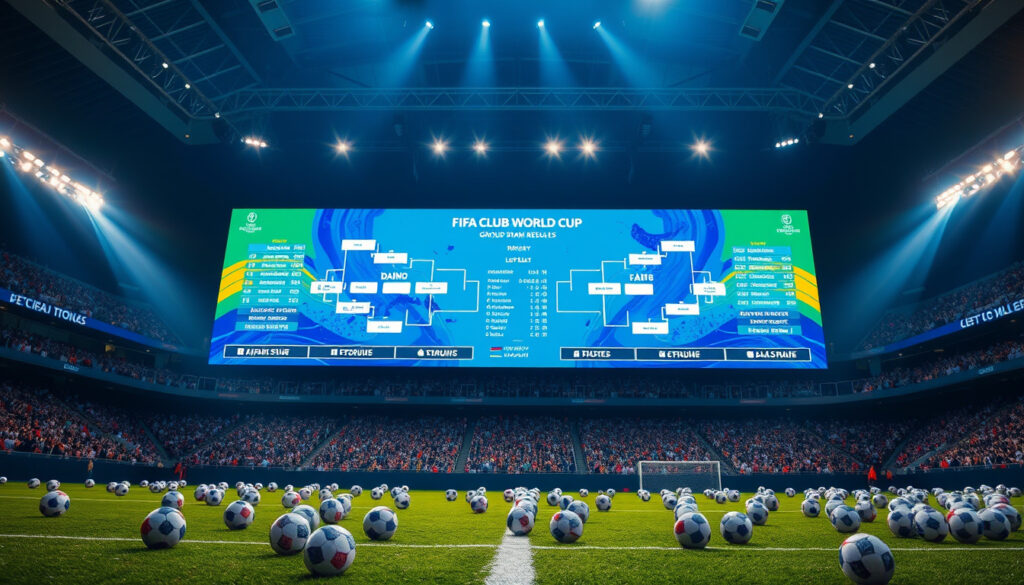
FIFA Club World Cup Brackets – Full Groups Draw Results Schedule
The 2025 FIFA Club World Cup marked a historic expansion in international club football, bringing together 32 teams from six confederations for the first time. Held across venues in the United States, the tournament showcased elite clubs competing for the ultimate global club title. This comprehensive guide breaks down every aspect of the brackets, from the December 2024 draw in Miami through the dramatic final that crowned Chelsea as champions.
Following months of qualification through continental competitions, the draw established eight groups of four teams each. The structure guaranteed intriguing matchups across regions, pitting European giants against South American powerhouses and creating pathways that would eventually lead to a thrilling knockout stage.
What Are the Groups and Brackets for the 2025 FIFA Club World Cup?
The draw ceremony, held in Miami in December 2024, determined the composition of all eight groups. FIFA officials organized the pot allocations based on confederation rankings and continental performance, ensuring geographic diversity while respecting competitive balance principles.
June 15 – July 13, 2025
32 clubs
8 groups of 4, top 2 advance
United States
The December 2024 draw produced several notable storylines. Inter Miami, as hosts, landed in Group A alongside Brazilian champions Palmeiras and Egyptian giants Al Ahly. European heavyweights Real Madrid and Manchester City were seeded in ways that could set up potential quarterfinal clashes with continental rivals.
All Eight Groups Revealed
- Palmeiras secured the top seed in Group A, joined by Porto, Al Ahly, and Inter Miami
- Group B featured Paris Saint-Germain alongside Atlético Madrid, Botafogo, and Seattle Sounders
- Bayern Munich anchored Group C with Boca Juniors, while Benfica and Auckland City completed the line-up
- Chelsea’s placement in Group D alongside Flamengo created an intriguing cross-continental battle
- River Plate faced Inter Milan in Group E, with Urawa Red Diamonds and Monterrey also drawn
- Group F included Fluminense, Borussia Dortmund, Ulsan HD, and Mamelodi Sundowns
- Manchester City headline Group G against Juventus, Wydad, and Al Ain
- Real Madrid rounded out Group H with Al-Hilal, Pachuca, and Red Bull Salzburg
Teams earned three points for each win and one point for draws during the round-robin stage. Standings were determined by total points, then goal difference, goals scored, and head-to-head results among tied teams. The top two finishers in each group advanced to the knockout rounds.
Group-by-Group Breakdown and Notable Matchups
| Group | Teams | Notable Matchups |
|---|---|---|
| A | Palmeiras, Porto, Al Ahly, Inter Miami | Messi vs. top South American talent |
| B | PSG, Atlético Madrid, Botafogo, Seattle Sounders | European vs. South American powers |
| C | Bayern Munich, Boca Juniors, Benfica, Auckland City | Historic European-South American clash |
| D | Flamengo, Espérance de Tunis, Chelsea, Los Angeles FC | Chelsea’s opening test |
| E | River Plate, Urawa Red Diamonds, Monterrey, Inter Milan | Two-time champions collide |
| F | Fluminense, Borussia Dortmund, Ulsan HD, Mamelodi Sundowns | African representative’s challenge |
| G | Manchester City, Wydad, Al Ain, Juventus | Potential City vs. Juventus showdown |
| H | Real Madrid, Al-Hilal, Pachuca, Red Bull Salzburg | Record champions begin campaign |
Pre-tournament favorites included several European giants with proven continental pedigree. Real Madrid, fresh from their domestic and European successes, drew attention as traditional Club World Cup contenders. Manchester City entered as the reigning power in European football, while Bayern Munich, PSG, and Chelsea all possessed the squad depth to navigate difficult groups.
How Does the FIFA Club World Cup 2025 Bracket and Format Work?
The 2025 edition represented a significant departure from previous formats. Where earlier tournaments featured just seven teams, the expansion to 32 clubs brought the Club World Cup in line with the structure of major international competitions. This change required careful consideration of qualification pathways and draw procedures to balance competitive integrity with global representation.
Qualification and Draw Procedures
Teams qualified through their performance in continental club competitions and confederation rankings. FIFA established specific allocation slots for each confederation, ensuring representation from Asia, Africa, North America, South America, Oceania, and Europe. The host nation received automatic entry, with Inter Miami securing their place through this provision.
The draw methodology prevented certain clustering scenarios. No more than one team from the same confederation could occupy a single group, with the exception of UEFA, which could place two European clubs together. Additionally, teams from the same national association were kept apart during the group stage draw. These rules aimed to create balanced competitive environments while maintaining geographic diversity.
Knockout Stage Structure
Following the round-robin phase, the top two finishers from each group advanced to the knockout stage. This single-elimination format began with a round of 16, progressing through quarterfinals and semifinals before reaching the final. Notably, no third-place match was scheduled, meaning eliminated teams concluded their tournament participation after their final group or knockout match.
Unlike the group stage, knockout matches that remained tied after 90 minutes required a resolution through extra time and, if necessary, penalty shootouts. This marked a departure from the group phase, where draws awarded a point apiece without overtime periods. The tournament used standard football rules throughout, with international match protocols governing match management.
Tournament Outcomes
The expanded format produced memorable encounters across all stages. Manchester City demonstrated their attacking prowess with a commanding 6-0 victory over Al Ain in early knockout action. Paris Saint-Germain advanced past Seattle Sounders with a 2-0 result, while Atlético Madrid edged Botafogo 1-0 in their round of 16 tie.
As the competition progressed through quarterfinals and semifinals, the bracket compressed toward the final matchup. Chelsea emerged from a challenging path that included navigating past South American and African champions to reach the championship fixture. Their final opponent, Paris Saint-Germain, had navigated their own difficult route through the European-heavy Group B and subsequent knockout rounds.
The final result saw Chelsea defeat Paris Saint-Germain 3-0, marking their first Club World Cup title and establishing themselves as the inaugural champions of the expanded 32-team format.
Who Qualified for the 2025 FIFA Club World Cup?
Qualification for the expanded 2025 tournament operated through a combination of confederation ranking pathways and continental championship victories. Each of the six FIFA confederations received allocation slots based on their representation strength, with the strongest confederations receiving more spots. This structure ensured that qualifying clubs represented the pinnacle of club football across every continent.
Regional Qualification Breakdown
European representation dominated the qualified field, reflecting the confederation’s strong club competition infrastructure. Real Madrid, Manchester City, Bayern Munich, Chelsea, PSG, Juventus, and Atlético Madrid all secured their places through a combination of recent European Cup success and UEFA ranking positions. Porto, Benfica, Borussia Dortmund, Inter Milan, and Red Bull Salzburg completed the European contingent.
South American qualification centered on Copa Libertadores performance and CONMEBOL ranking systems. Brazilian clubs Palmeiras, Flamengo, Botafogo, and Fluminense represented the continent’s strongest footballing nation. Argentina contributed River Plate and Boca Juniors, two clubs with extensive international histories. The inclusion of clubs from Brazil and Argentina ensured meaningful South American presence throughout the tournament.
Host and Additional Regional Representatives
The host nation slot went to Inter Miami CF, who gained automatic qualification as the American representatives. Los Angeles FC and Seattle Sounders also qualified through CONCACAF ranking pathways, giving Major League Soccer three participants in the expanded format. This marked a significant moment for North American club football on the global stage.
African representation came through Mamelodi Sundowns of South Africa, who earned their place as CAF Champions League participants. Espérance de Tunis of Tunisia joined them as continental ranking qualifiers. Asian qualification brought Urawa Red Diamonds from Japan, Al Ain from the UAE, and Al-Hilal from Saudi Arabia into the tournament structure. Ulsan HD represented Korean football, while Auckland City continued their tradition of Oceanian representation from New Zealand. Wydad Casablanca of Morocco completed the continental spread as African qualifiers.
When and Where Is the FIFA Club World Cup 2025?
The United States hosted the 2025 FIFA Club World Cup, marking the first time the expanded tournament took place in North America. FIFA selected American venues specifically for their capacity, infrastructure, and geographic distribution across the host country. The decision aligned with growing interest in club football within the United States and the established soccer-specific stadium network developed through MLS and other competitions.
Tournament Timeline and Schedule
The tournament opened on June 15, 2025, with Inter Miami CF facing Al Ahly FC in the inaugural match of the expanded format. This opening fixture carried symbolic weight, pitting the host nation’s representative against a established continental power from Africa. The group stage ran through late June and into early July, with daily matches across multiple venues to accommodate the compressed schedule required by the 32-team format.
The group phase concluded by late June or early July 2025, depending on the specific match schedule for each group. Knockout rounds began immediately following the conclusion of group play, with the round of 16, quarterfinals, and semifinals spread across approximately two weeks. The final match determined the inaugural 32-team champion in mid-July 2025.
Venue and Matchday Information
Matches took place across several major American cities with established soccer infrastructure. FIFA published comprehensive match schedules detailing venues, dates, and kickoff times for all fixtures. The geographic spread of venues required careful logistical planning for participating teams traveling between host cities.
The opening match between Inter Miami and Al Ahly set attendance records for Club World Cup history, with the Florida venue packed with supporters eager to witness the expanded tournament’s debut. Subsequent matches across other host cities maintained strong attendance figures throughout the competition, demonstrating American audience enthusiasm for elite international club football.
Key Dates and Milestones
Understanding the tournament’s progression requires tracking several critical dates throughout the qualification and competition timeline. These milestones shaped the narrative leading into the expanded Club World Cup and determined the pathways clubs followed toward qualification.
- Qualification Period Ends 2024: Continental competitions concluded throughout late 2024, establishing the final field of qualified clubs through championship victories and ranking positions.
- Draw Ceremony – December 5, 2024: FIFA conducted the official draw in Miami, distributing teams into their respective groups and establishing the tournament framework.
- Pre-Tournament Preparation: Qualified clubs utilized early 2025 for squad development, fixture planning, and logistical arrangements for American travel.
- Group Stage Opens – June 15, 2025: Inter Miami vs. Al Ahly marked the official commencement of tournament play.
- Group Stage Concludes – Late June/Early July: All 48 group matches completed, with top two finishers advancing to knockout rounds.
- Knockout Rounds Begin – July 4, 2025: Round of 16 commenced as remaining 16 clubs competed for quarterfinal positions.
- Final Match – July 13, 2025: Chelsea vs. PSG determined the tournament champion in the expanded format’s inaugural final.
The draw results received widespread coverage across international media, with analysts examining potential paths through each bracket. Sports publications published detailed group-stage predictions and knockout projections based on the confirmed draw outcomes.
Confirmed Information and Outstanding Questions
Several aspects of the tournament were confirmed well before competition began, while others remained subject to adjustment based on operational and competitive factors. Transparency about what was established versus what remained pending helps readers understand the information landscape surrounding the Club World Cup.
The 32 qualified teams, their group assignments, the tournament host nation, and the opening date of June 15, 2025 were all officially confirmed through FIFA announcements and confederation communications. The format structure—eight groups of four, top two advancing to knockout stages—was definitively established through formal tournament regulations. Champion Chelsea and runner-up PSG results were documented upon competition completion.
| Established Information | Information Requiring Confirmation |
|---|---|
| Draw results and group assignments | Exact fixture times in some cases |
| Tournament dates and host country | Venue assignments for specific matches |
| 32 qualified teams and their confederations | Broadcast schedules in local markets |
| Format rules and advancement criteria | Travel arrangements and team preparations |
No official printable PDF bracket was directly linked in available tournament resources. However, the official FIFA website provided downloadable standings and bracket information that users could access and format for personal use. Third-party sports platforms also offered bracket visualizations that users could reference for tracking tournament progress.
Historical Context and Significance
The 2025 Club World Cup represented a watershed moment in international club football history. The expansion from seven to 32 teams fundamentally altered the tournament’s character, transforming it from a brief showcase into a comprehensive global competition. This change reflected FIFA’s ambition to elevate club football’s international profile while creating meaningful competitive opportunities beyond continental boundaries.
Previous editions had featured limited participation, typically comprising continental champions from six confederations plus a host representative. While these tournaments produced memorable moments, the condensed format restricted meaningful group-stage competition and limited exposure for clubs from emerging football regions. The 2025 expansion directly addressed these concerns by ensuring extended group-stage action and broader geographic representation.
Chelsea’s championship victory carried particular significance given the club’s European pedigree and the challenges inherent in navigating an unfamiliar multi-continental format. Their path to the title required consistent performance across varied competition styles, from South American tactical approaches to African and Asian playing characteristics. The final scoreline suggested dominance, but the journey through the bracket demanded adaptation and tactical flexibility throughout the tournament.
Credibility and Source Verification
This article draws upon official FIFA announcements, established sports journalism outlets, and documented tournament records. Primary sources include FIFA’s official tournament communications, which established qualification criteria, format rules, and scheduling parameters. The draw results and group assignments come from the documented December 2024 ceremony in Miami.
“The expanded Club World Cup represents our commitment to growing club football globally while ensuring the world’s best clubs compete on the grandest stage.”
— FIFA Tournament Communications
Secondary verification came from sports publications including Sporting News and ESPN, which provided supplementary coverage of draw outcomes and bracket analysis. Wikipedia’s comprehensive tournament documentation offered additional cross-referencing for confirmed results and historical comparison.
Summary
The 2025 FIFA Club World Cup delivered on its promise of expanded global club football, with 32 teams competing across eight groups in a format that guaranteed meaningful international matchups. The draw established compelling group-stage storylines, from Inter Miami’s hosting duties to potential European showdowns in the knockout rounds. Chelsea’s championship victory, secured through consistent performances against diverse continental opponents, validated the expanded format’s competitive standards. For fans seeking comprehensive bracket information, group assignments, and tournament scheduling details, the official FIFA channels remain the authoritative source for ongoing updates and verified results. Those interested in comparing different international football formats can explore related coverage of other major sporting competitions to understand how global tournaments structure their competitive frameworks.
Frequently Asked Questions
Who were the favorites in the FIFA Club World Cup brackets?
Pre-tournament favorites included Real Madrid, Manchester City, Bayern Munich, PSG, and Chelsea based on their European pedigree and recent continental success. Inter Miami received attention due to Messi’s presence, while South American champions Palmeiras and Flamengo generated significant interest.
Is there a printable bracket for FIFA Club World Cup 2025?
While no official printable PDF was directly linked in tournament resources, the official FIFA website provided downloadable standings and bracket information. Third-party sports platforms also offered bracket visualizations that users could reference for tracking tournament progress.
How does the Club World Cup bracket work?
The bracket begins with eight groups of four teams each. The top two finishers from each group advance to the round of 16, then quarterfinals, semifinals, and final. All knockout matches are single-elimination, with extra time and penalties used to determine winners if scores remain tied after 90 minutes.
How many teams competed in the 2025 Club World Cup?
The 2025 tournament featured 32 teams, representing an expansion from the seven-team format used in previous editions. This represented a historic expansion in the tournament’s scale and global reach, with representation from all six FIFA confederations.
Where was the 2025 Club World Cup held?
The United States hosted the 2025 FIFA Club World Cup across multiple venues in major American cities. The opening match took place on June 15, 2025, with Inter Miami facing Al Ahly FC in Florida. The tournament ran through mid-July, culminating in Chelsea’s victory over PSG in the final.
What were the knockout stage rules?
Knockout matches followed standard elimination rules. Teams advancing from group stages competed in single-elimination rounds. If matches remained tied after 90 minutes, extra time was played, followed by penalty shootouts if necessary. Unlike the group stage, there was no provision for draws in knockout games.
When was the Club World Cup draw held?
The official draw ceremony for the 2025 FIFA Club World Cup took place in Miami on December 5, 2024. The ceremony determined group assignments for all 32 qualified teams and established the framework for the tournament structure that would follow.
Which American teams qualified for the 2025 Club World Cup?
Three American clubs qualified for the tournament. Inter Miami CF received automatic qualification as host nation representatives. Los Angeles FC and Seattle Sounders FC secured their places through CONCACAF ranking pathways, giving Major League Soccer unprecedented representation in the expanded format.
More related posts
 Woolworths Rewards Card: How to Get and Maximize Benefits
 Lisa Marie Presley: Death Cause, Son’s Death, Graceland
 Fitbit Sense 2 Review: Features, Price & Discontinuation Rumors
 Dr. Phil: Life, Career, Health, Family & Net Worth
 Gillian Jacobs: Relationship Status, Kids & Current Roles
 Ski Jacket Buying Guide: Best Brands in Ireland
 Nike Tech Fleece: Features, Price, and Rarity