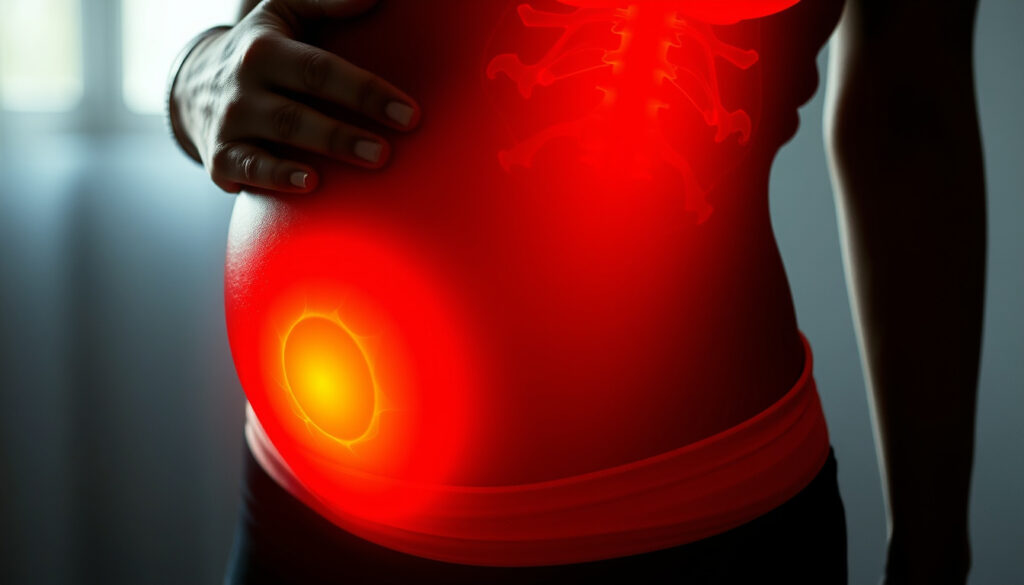
Round Ligament Pain – Causes, Symptoms and Safe Relief
Many pregnant people experience a startling sensation in their lower abdomen during the second trimester—a sudden, stabbing pain that seems to appear out of nowhere. This discomfort, known as round ligament pain, is one of the most common complaints during pregnancy. Understanding what triggers it and how to manage it can make a significant difference in daily comfort levels throughout the remaining months.
The condition occurs when ligaments that support the uterus stretch and tighten in response to your body’s changes. While the sensation can be alarming, especially for first-time parents, medical experts generally consider it a normal part of pregnancy. Learning to recognize its characteristics and knowing when relief strategies are sufficient versus when medical attention is warranted helps expecting mothers navigate this common discomfort with greater confidence.
This guide covers the causes, symptoms, and proven relief methods for round ligament pain, drawing on current medical guidance to help you distinguish between typical pregnancy discomfort and situations that may require a conversation with your healthcare provider.
What Causes Round Ligament Pain?
The round ligaments are two cord-like structures that connect the front of the uterus to the groin region. During pregnancy, these ligaments must stretch considerably to accommodate the growing uterus. As the abdominal muscles expand and the pelvis experiences increased pressure, additional strain gets placed on the round ligaments, potentially leading to discomfort.
Research indicates that asymmetries in the pelvis during pregnancy can compound this strain. When one side of the pelvis experiences different pressure levels than the other, the ligaments may stretch unevenly, increasing the likelihood of pain episodes. Sudden movements—such as coughing, sneezing, laughing, or rolling over in bed—cause the ligaments to contract quickly, producing the characteristic sharp sensation that gives this condition its name. According to the American College of Obstetricians and Gynecologists, musculoskeletal changes during pregnancy commonly affect the supporting structures of the uterus.
Round ligaments behave somewhat like elastic bands. When they are already stretched due to pregnancy and then experience a sudden pull or contraction, they tighten rapidly, sending pain signals. This is why the discomfort often strikes during activities that involve quick position changes.
Key Insights
- Round ligament pain affects a significant portion of pregnant people, particularly during the second trimester
- The discomfort typically lasts from a few seconds to several minutes per episode
- Pain is most commonly felt on the right side, though it can occur on either side or both
- Peak discomfort often occurs between weeks 18 and 24 of pregnancy
- The condition resolves on its own after delivery as hormone levels normalize
- Physical therapy and targeted exercises can help reduce both frequency and intensity of episodes
- Maintaining good posture throughout pregnancy may help minimize strain on the ligaments
Snapshot Facts
| Aspect | Details |
|---|---|
| Typical Onset | Weeks 12-24 of pregnancy |
| Episode Duration | Seconds to several minutes |
| Primary Location | Lower abdomen and groin area |
| Common Triggers | Sudden movement, coughing, sneezing, position changes |
| Peak Period | Second trimester, particularly weeks 18-24 |
| Post-Delivery Resolution | Symptoms typically subside within weeks after delivery |
What Does Round Ligament Pain Feel Like?
People who experience round ligament pain commonly describe it as a sudden, sharp stabbing sensation in the lower belly or groin area. The pain tends to come on quickly and subsides just as fast, though some individuals report lingering soreness afterward. Unlike the dull, persistent ache of muscle strain, round ligament pain typically arrives without warning and disappears within moments.
The discomfort can manifest on one side or both sides of the lower abdomen, though many people notice it more frequently on the right side. This right-side predominance may be related to the normal position of the uterus, which has a slight rotation to the right. The pain may also extend toward the hip or upper thigh region, as the round ligaments connect to structures in that area. For more information on pelvic anatomy during pregnancy, the National Institutes of Health provides detailed anatomical resources.
Common Characteristics
- Sudden onset of sharp or stabbing sensations
- Brief episodes lasting from seconds to a few minutes
- Triggered by physical activity or sudden position changes
- Located in the lower abdomen, groin, or hip area
- Relieved by rest and slow, deliberate movements
Can It Happen on One Side Only?
Yes, round ligament pain can occur on just one side of the body. Many people experience the sensation predominantly on the right side, while others may feel it on the left, and some notice it switching sides. This variation is completely normal and reflects the natural asymmetries in how the ligaments stretch and respond to movement during pregnancy.
If you notice pain consistently on one side, try paying attention to which movements or positions tend to trigger it. This information can be helpful when discussing symptoms with your healthcare provider or a pelvic physical therapist.
How Can I Relieve Round Ligament Pain?
Managing round ligament pain typically involves a combination of immediate strategies, preventive measures, and lifestyle adjustments. Most people find relief through conservative approaches that reduce strain on the ligaments and allow the muscles to relax. Understanding which methods work best for your situation helps minimize discomfort throughout pregnancy. The Mayo Clinic offers additional guidance on managing common pregnancy discomforts.
Immediate Relief Strategies
Rest forms the foundation of pain management for round ligament discomfort. When pain strikes, sitting or lying down in a comfortable position gives the ligaments an opportunity to relax. Changing positions slowly proves particularly important—quick movements cause the ligaments to contract sharply, while gradual transitions allow them to adjust more smoothly.
For sleeping or resting, lying on your side with a pillow placed beneath your belly for support and another between your legs can significantly reduce strain on the round ligaments. Flexing your knees slightly toward your abdomen also helps by decreasing tension in the ligament structures.
- Lie on your side with pillow support under your belly and between your legs
- Flex your knees toward your abdomen when resting
- Change positions gradually rather than quickly
- Bend and flex your hips before coughing, sneezing, or laughing
- Apply a warm compress to the affected area for 15-20 minutes
If you feel a cough, sneeze, or laugh coming on, gently bending forward and flexing your hips before the moment can substantially reduce the pull on your round ligaments and prevent the sharp pain that often follows these reflexive actions.
Stretching and Exercise
Gentle stretching of the hip muscles, lower abdomen, and inner thighs has shown effectiveness in easing round ligament irritation. Healthcare providers and physical therapists recommend holding each stretch for at least 30 seconds and performing 2-3 sets when comfortable. Any stretch that causes pain or discomfort should be discontinued immediately.
Common physical therapy exercises that target this area include Cat Cow poses, Child’s Pose, Half Kneeling Hip Flexor Stretches, and Seated Pelvic Tilts. These movements help maintain flexibility in the supporting structures around the uterus while reducing tension in the ligaments themselves. According to Choose PT, physical therapy during pregnancy can address a variety of musculoskeletal concerns safely and effectively.
- Cat Cow: Stretches the spine and pelvic muscles gently
- Child’s Pose: Relaxes the lower back and hip area
- Half Kneeling Hip Flexor Stretch: Releases tension in the hip flexors
- Seated Pelvic Tilts: Strengthens core support and improves pelvic alignment
Remedial Massage Near Me – Benefits, Costs and Qualifications can complement these stretching routines by addressing muscle tension that may be contributing to ligament strain. Professional massage therapy targeting the hip and lower back areas often provides additional relief when combined with home exercises.
Physical Therapy Treatment
A comprehensive physical therapy approach may include multiple modalities beyond basic stretching. Gentle spinal mobility exercises and pelvic tilts help reduce pressure and discomfort. Strengthening exercises for the core, upper back, and hips improve overall spinal alignment and reduce the load placed on the round ligaments during movement.
Support aids such as pregnancy support belts, belly bands, or Kinesio tape can stabilize the pelvis and minimize strain on the round ligaments. These devices work by lifting the belly slightly, which decreases the tension that gravity otherwise places on the supporting ligaments throughout the day. The National Health Service provides additional information on safe support measures during pregnancy.
- Soft tissue massage to relax tight muscles and enhance circulation
- Learning proper body mechanics for daily activities
- Posture correction techniques for standing and sitting
- Identifying and modifying activities that aggravate discomfort
Home Remedies and Comfort Measures
Beyond exercise and positioning, several home-based approaches can help manage round ligament pain. Soaking in a warm bath helps relax tense muscles and reduces pain sensations. Using a belly band worn low on the abdomen provides ongoing support by pulling the weight of the growing uterus away from the pelvis.
Relaxation techniques including deep breathing and meditation can help relax muscles and reduce overall stress, which often compounds physical discomfort. Avoiding heavy lifting and prolonged standing also decreases the mechanical strain placed on the round ligaments throughout the day. For relaxation techniques, the Johns Hopkins Medicine offers evidence-based mindfulness resources.
- Apply warm compresses to the affected area
- Take warm baths to relax muscles
- Wear a belly band for added support
- Practice deep breathing and meditation
- Avoid heavy lifting when possible
- Reduce activity levels if pain increases, then gradually rebuild
Medication Considerations
When pain relief is needed, acetaminophen (Tylenol) has been shown to be safe for use during pregnancy and can help manage discomfort. Non-steroidal anti-inflammatory drugs (NSAIDs) such as ibuprofen should be avoided, as some research indicates increased risks associated with their use during pregnancy. Always consult your healthcare provider before taking any medication, and review guidelines from the Food and Drug Administration regarding medication safety during pregnancy.
Always consult your healthcare provider before taking any medication during pregnancy, even over-the-counter options. Your provider can help weigh the benefits and risks specific to your situation and recommend appropriate dosages if medication becomes necessary.
When Should I See a Doctor for Round Ligament Pain?
While round ligament pain is generally considered harmless and part of normal pregnancy, certain situations warrant consultation with a healthcare provider. Understanding the difference between typical round ligament discomfort and symptoms that may indicate something more serious helps expecting mothers make informed decisions about when to seek care.
Medical professionals indicate that specific warning signs exist that require urgent attention, though the exact symptoms that constitute these red flags can vary. Generally, if round ligament pain becomes consistent rather than intermittent, or if the pattern of discomfort changes significantly, discussing this with your provider is appropriate. The March of Dimes provides comprehensive guidance on when to contact your healthcare provider during pregnancy.
When to Consult Your Provider
- Experiencing consistent round ligament pain rather than occasional episodes
- Unable to identify which activities are triggering your discomfort
- Pain that interferes significantly with daily activities or sleep
- Symptoms that change or worsen over time
- Questions about whether your discomfort is typical for your stage of pregnancy
Is Round Ligament Pain a Sign of Miscarriage?
Round ligament pain is not considered a sign of miscarriage. This condition results from the normal physical changes of pregnancy—specifically the stretching of supporting ligaments—as opposed to complications affecting the pregnancy itself. However, any concerns about pregnancy symptoms should be discussed with a healthcare provider who can evaluate your specific situation.
The research notes that specific information about distinguishing round ligament pain from miscarriage-related symptoms is limited in available sources. For guidance on this topic, consultation with your healthcare provider or obstetrician is recommended. They can help assess your symptoms and provide reassurance based on your individual circumstances. If you’re experiencing round ligament pain, it’s important to know when to seek medical advice, and you can learn more about round ligament pain and safe relief options at convert 1/3 cup to ml.
Round ligament pain is typically sharp, brief, and triggered by movement. Persistent pain, pain accompanied by bleeding, severe cramping, or any sudden change in symptoms warrants immediate medical evaluation to rule out more serious conditions.
How Long Does Round Ligament Pain Last?
The duration of round ligament pain follows a predictable pattern during pregnancy. While individual experiences vary, most people notice symptoms beginning in the second trimester and continuing through the remainder of pregnancy. The intensity often peaks during weeks 18-24, when the uterus is growing rapidly and placing maximum stretch on the supporting ligaments.
Individual episodes of pain typically last from a few seconds to several minutes. Some people experience several episodes per day, while others may go days or weeks between occurrences. The frequency and intensity often fluctuate based on activity levels, hydration, and how consistently preventive measures are applied. According to What to Expect, many pregnant people find that symptoms improve as they learn to modify their movements and activities.
Timeline Overview
- First Trimester: Round ligament pain is uncommon but may occur in some individuals, particularly during sudden movements or physical exertion
- Second Trimester: Most people begin experiencing symptoms, with peak discomfort typically occurring between weeks 18-24
- Third Trimester: Symptoms may persist or intensify as the uterus reaches its largest size, though many people adapt to the sensations by this point
- Post-Delivery: Symptoms typically resolve within weeks after delivery as hormone levels normalize and the uterus returns to its pre-pregnancy size
Is Round Ligament Pain Normal in Second Trimester?
Yes, round ligament pain is completely normal during the second trimester. In fact, this is when most people first notice the symptoms. The second trimester represents a period of rapid uterine growth, and the body is actively adapting to accommodate the developing baby. The round ligaments must stretch significantly during this time, making the second trimester the peak period for round ligament pain.
What the Research Shows: Established Facts and Uncertainties
Understanding what medical science has established about round ligament pain—and what remains less clear—helps set realistic expectations. While the condition is well-documented and generally understood, certain aspects continue to be studied or vary significantly between individuals. The Evidence Based Birth resource provides current research summaries on common pregnancy symptoms and discomforts.
| Established Information | Areas of Uncertainty |
|---|---|
| Round ligament pain results from ligament stretching during pregnancy | Specific mechanisms causing pain variation between individuals |
| The condition is benign and not harmful to mother or baby | Optimal prevention strategies and their effectiveness |
| Most common during second and third trimesters | Comprehensive duration data across large populations |
| Pain is typically sharp, brief, and movement-triggered | Detailed comparison with other pregnancy pains |
| Rest, positioning, and gradual movement provide relief | Long-term outcomes with various treatment approaches |
| Symptoms resolve after delivery | Role of pelvic asymmetry in pain development |
The available research does not provide detailed information about distinguishing round ligament pain from miscarriage, specific timeline differences between first and second trimester onset, lateralization patterns, or comprehensive duration data. For personalized guidance on these topics, consultation with your healthcare provider is recommended.
Understanding Round Ligament Pain in Context
Round ligament pain represents one of many physiological changes that occur during pregnancy. The body’s structures must adapt significantly to accommodate a growing fetus, and the round ligaments are among the tissues that undergo the most noticeable transformation. Their elastic nature allows them to stretch and contract repeatedly throughout pregnancy, which explains both the discomfort some people experience and the eventual resolution of symptoms after delivery.
The prevalence of this condition reflects how pregnancy affects the musculoskeletal system as a whole. As the uterus expands, it shifts the body’s center of gravity, changes posture, and places new demands on supporting structures throughout the abdomen and pelvis. These changes can create tension in multiple areas simultaneously, which is why addressing overall physical conditioning through gentle exercise, proper posture, and supportive measures often provides the most effective relief.
Healthcare providers familiar with pregnancy-related discomfort generally view round ligament pain as a normal part of the pregnancy experience rather than a medical concern requiring intervention. The condition serves as a reminder of the remarkable physical transformations the body undergoes during this period and underscores the importance of self-care and body awareness throughout pregnancy.
What to Do Next
If you are experiencing round ligament pain, several practical steps can help manage the discomfort. First, pay attention to which movements and positions tend to trigger your symptoms. This awareness allows you to modify activities proactively rather than waiting for pain to appear. Second, consider incorporating gentle stretching exercises into your daily routine, starting slowly and gradually increasing duration as your body adapts.
For those whose symptoms persist despite conservative measures, consulting with a pelvic physical therapist can provide targeted relief strategies. These specialists can assess your specific situation and recommend exercises and support measures tailored to your needs. Similarly, discussing symptoms with your prenatal care provider at your next appointment ensures they are aware of your experience and can offer additional guidance if needed.
Remember that while round ligament pain can be startling and uncomfortable, it is a temporary condition that will resolve after your baby arrives. In the meantime, focusing on comfort measures, staying active within your tolerance, and seeking support when needed helps ensure a positive pregnancy experience.
Nurofen for Kids – Dosage Guide by Age and Weight provides information on medication dosing considerations that may be relevant for parents managing pain during pregnancy and beyond, though always consult your healthcare provider before taking any medication during pregnancy.
Frequently Asked Questions
Can round ligament pain occur on the left side only?
Yes, round ligament pain can occur on either side or both sides of the lower abdomen. While many people experience it more frequently on the right side, left-side-only pain is also normal and reflects the natural variations in how round ligaments stretch during pregnancy.
Does round ligament pain mean labor is starting?
Round ligament pain is not a sign of impending labor. It results from the stretching of ligaments supporting the uterus and is unrelated to the contractions that characterize labor. However, any new or concerning symptoms late in pregnancy should be discussed with your healthcare provider.
How can I prevent round ligament pain at night?
Sleeping with pillows for support can help prevent nighttime round ligament pain. Place a pillow under your belly for support and another between your legs when lying on your side. Try to avoid sudden movements when turning in bed, and consider getting up slowly if you have been lying down for a while.
Is it normal for round ligament pain to be severe?
While round ligament pain is typically brief and sharp, severe or persistent pain should be evaluated by a healthcare provider. They can help determine whether your symptoms are consistent with typical round ligament pain or if additional evaluation is needed.
Can exercise make round ligament pain worse?
Certain high-impact activities may aggravate round ligament pain, especially if they involve sudden movements or jarring motions. Low-impact exercises like swimming and prenatal yoga, performed with proper technique, are generally well-tolerated and may help reduce symptoms over time.
When does round ligament pain typically start?
Round ligament pain most commonly begins during the second trimester, typically between weeks 12 and 24 of pregnancy. Some people may experience it earlier, while others may not notice it until later in pregnancy.
Will round ligament pain affect my baby?
Round ligament pain is a discomfort for the pregnant person but does not affect the baby. The condition results from normal anatomical changes and poses no risk to fetal development or health.
How long after delivery does round ligament pain last?
Most people find that round ligament pain subsides within weeks after delivery, once hormone levels normalize and the uterus returns to its pre-pregnancy size. Some residual sensitivity may persist for a short time as the body continues to recover.
Should I use a support belt for round ligament pain?
Pregnancy support belts and belly bands can help reduce round ligament pain by lifting the belly and decreasing the strain on supporting ligaments. Many people find them helpful, particularly during the third trimester or when standing for extended periods.
Is physical therapy helpful for round ligament pain?
Yes, pelvic physical therapy can be beneficial for managing round ligament pain. A trained therapist can provide targeted exercises, manual therapy, and guidance on body mechanics and positioning that specifically address the underlying causes of your discomfort.
More related posts
 4WD Supacentre Brendale: Hours, Location, Reviews & Info
 Fires Near Me – Live Maps Status and Safety Tips
 Katherine Kelly: Biography, Children, Husband & Career
 James Sicily: Biography, Career, Family and News
 Map of Tasmania: Free Tourist Maps & Road Trip Planner
 Antonio Brown: Charges, Net Worth & Career Timeline
 Rubbish Tip Near Me: Ireland Locations, Prices & Hours
 James Blunt: Biography, Feuds, and FAQs