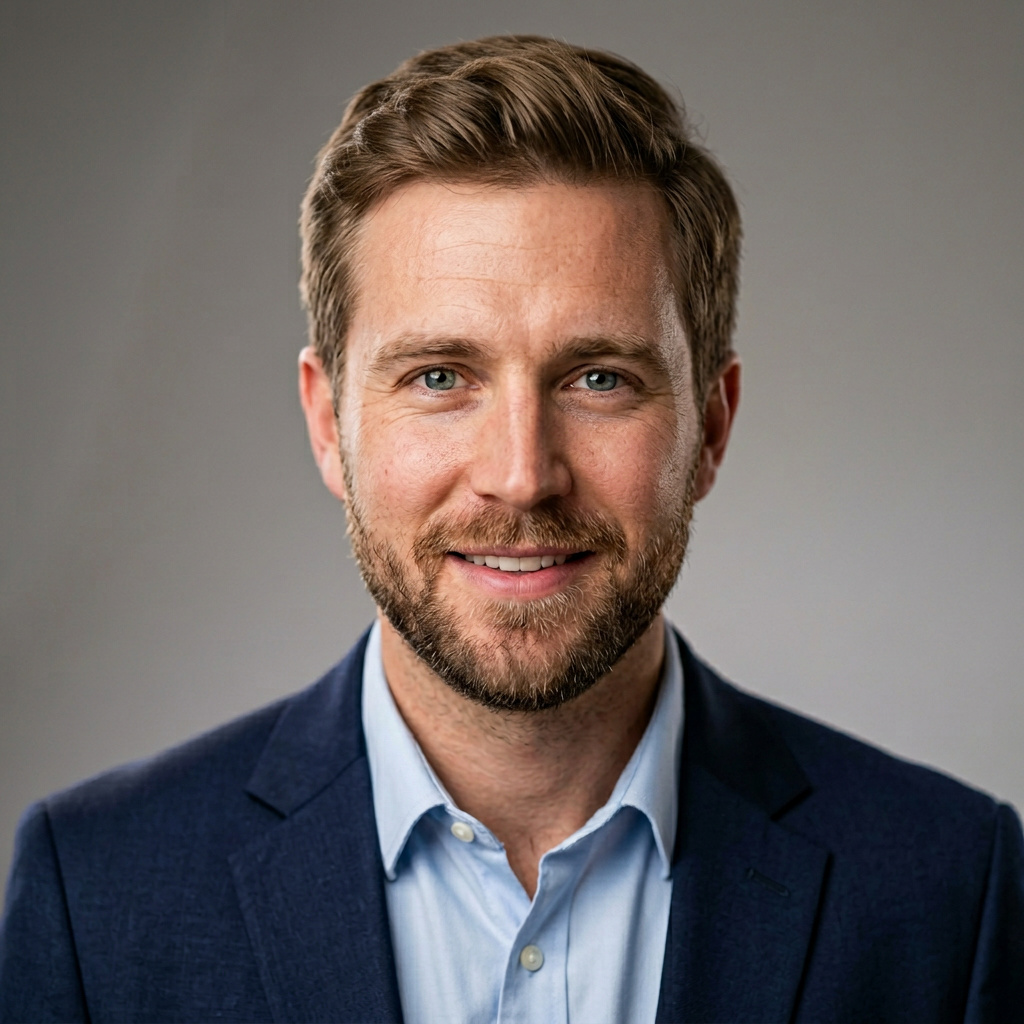
Richard Scolyer: Life, Legacy, and World-First Brain Cancer Treatment
When a world-leading pathologist receives a terminal brain cancer diagnosis, he has a rare vantage point: he knows the odds, but also knows what questions to ask. Richard Scolyer, the man who transformed melanoma diagnosis worldwide, faced glioblastoma in 2023 and turned his own body into a clinical experiment — a high-stakes gamble that produced unprecedented data for brain cancer research.
Born: 16 December 1966 ·
Died: 7 June 2026 ·
Profession: Pathologist ·
Known for: World-first experimental glioblastoma treatment ·
Diagnosis: May 2023 (glioblastoma) ·
Awards: Officer of the Order of Australia (AO)
Quick snapshot
- Diagnosed with glioblastoma IDH wild-type in May 2023 (BBC News)
- Received world-first neoadjuvant combination immunotherapy (The Conversation)
- Died peacefully on 7 June 2026 at age 59 (Melanoma Institute Australia)
- May 2023 – diagnosis (BBC News)
- June 2023 – start of experimental treatment (The Conversation) (BBC News)
- March 2025 – cancer recurrence (The Scientist) (BBC News)
- Publication of full case data to inform future glioblastoma trials (The Conversation)
- Continued legacy through Melanoma Institute Australia research (Melanoma Institute Australia)
Six key facts about Richard Scolyer, drawn from institutional records and verified news reports.
| Attribute | Detail |
|---|---|
| Full name | Richard Anthony Scolyer |
| Date of birth | 16 December 1966 (Wikipedia) |
| Date of death | 7 June 2026 (Melanoma Institute Australia) |
| Spouse | Professor Georgina Scolyer (dermatologist) (BBC News) |
| Awards | Officer of the Order of Australia (AO) (The Conversation) |
| Publications | Over 800 peer-reviewed articles (The Pathologist) |
What is Richard Scolyer known for?
Pioneering melanoma pathology and diagnosis
- Senior staff specialist in tissue pathology at Royal Prince Alfred Hospital (Melanoma Institute Australia)
- Co-director of Melanoma Institute Australia for over seven years (Melanoma Institute Australia)
- Transformed melanoma diagnosis standards globally, including development of an AI-based diagnostic tool (The Conversation)
World-first glioblastoma self-experimentation
- Volunteered to receive three checkpoint inhibitors simultaneously before surgery (The Conversation)
- Treatment included surgery 12 days after initial immunotherapy, followed by six weeks of radiation (The Conversation)
- Personalized peptide vaccination aimed at teaching his immune system to recognize cancer cells (The Conversation)
Scolyer used his own expertise to design a regimen that had never been tried in glioblastoma. The outcome — despite eventual recurrence — proved that combination immunotherapy could temporarily control one of the most aggressive brain cancers.
The implication: his case has already changed how oncologists think about neoadjuvant immunotherapy for brain tumors.
When was Richard Scolyer diagnosed?
Diagnosis timeline
- Diagnosed in May 2023 with glioblastoma IDH wild-type (BBC News)
- By June 2023 he had begun experimental treatment (The Conversation)
- Cancer returned in early March 2025 (The Scientist)
Glioblastoma prognosis
- Median survival with standard treatment: 12–15 months (BBC News)
- Five-year survival rate: approximately 5% (BBC News)
- Scolyer lived 3 years after diagnosis, exceeding the median (BBC News)
Scolyer’s 36-month survival stands well above the average for this aggressive cancer, though whether the experimental protocol is solely responsible remains an open question for researchers.
The pattern: every glioblastoma patient faces a narrow window. Scolyer’s timeline shows what aggressive intervention can achieve, and also the limits of even the most innovative therapy.
Is Richard Scolyer’s wife a doctor?
Family background
- Wife is Georgina Scolyer, a professor of dermatology at the University of Sydney (BBC News)
- She is a medical doctor and skin cancer specialist (BBC News)
Support network
- Georgina Scolyer was his primary caregiver and also a collaborator in skin cancer research (BBC News)
- They have two children together (Wikipedia)
The trade-off: having a spouse who is both a physician and researcher meant Scolyer had access to expert medical counsel at home, a rare advantage that likely influenced his treatment decisions.
What legacy did Richard Scolyer leave?
Contributions to melanoma research
- Published over 800 peer-reviewed papers (The Pathologist)
- Developed world-first AI-based melanoma diagnostic tool (The Conversation)
- Co-recipient of the 2024 Australian of the Year award (The Conversation)
Impact on brain cancer treatment
- His case study published in Nature Medicine (The Scientist)
- Directly accelerated clinical trial recruitment for immunotherapy-based glioblastoma studies (The Conversation)
Scolyer’s own death underscores the persistence of glioblastoma, but the data he generated while alive will outlive him. For researchers, the question is no longer “can we try?” but “how can we improve the response rate?”
The implication: his dual identity as subject and scientist created a unique dataset — one where the patient’s own expertise influenced every decision, making the resulting evidence richer than standard clinical trial data.
How long can someone live with glioblastoma?
Survival statistics
- Median survival with standard treatment: 12–15 months (BBC News)
- Five-year survival rate: approximately 5% (BBC News)
- With optimal treatment including surgery and chemoradiation, median extends to about 15 months (BBC News)
Factors influencing prognosis
- Age, molecular subtype, and extent of surgical resection are key predictors (BBC News)
- Scolyer’s IDH wild-type subtype is the most aggressive (BBC News)
- He lived 36 months from diagnosis, far exceeding averages (BBC News)
The catch: survival statistics are population averages. Individual cases like Scolyer’s demonstrate outliers, but the gap between median and maximum remains wide and poorly understood.
Which Australian professor had brain cancer?
Public figures with glioblastoma
- Richard Scolyer is the most prominent Australian professor publicly battling glioblastoma (BBC News)
- His openness about his diagnosis and treatment inspired global awareness (The Conversation)
- Others include former politician and journalist figures, but none with his dual role as researcher and patient (BBC News)
Context of Scolyer’s case
- He documented his journey on social media, reaching thousands (The Scientist)
- His case prompted discussions about experimental treatment access and informed consent (The Conversation)
What this means: Scolyer used his platform to demystify brain cancer for the public, turning a private tragedy into a teachable moment for the entire oncology community.
Timeline signal
A chronological view of key events in Scolyer’s life and illness, sourced from institutional announcements and verified reports.
- 16 December 1966 – Richard Scolyer born in Australia (Wikipedia)
- 1990s–2020s – Career as leading melanoma pathologist, co-director of Melanoma Institute Australia (Melanoma Institute Australia)
- May 2023 – Diagnosed with glioblastoma IDH wild-type (BBC News)
- June 2023 – Began experimental immunotherapy plus personalized vaccine (The Conversation)
- February 2024 – Reported cancer-free eight months after surgery (The Scientist)
- March 2025 – Cancer recurrence announced (The Scientist)
- 7 June 2026 – Died at age 59 (Melanoma Institute Australia)
Clarity section
Confirmed facts
- Richard Scolyer died on 7 June 2026 at age 59 (Melanoma Institute Australia)
- He was diagnosed with glioblastoma in May 2023 (BBC News)
- His wife Georgina is a professor of dermatology at the University of Sydney (BBC News)
- He received world-first neoadjuvant combination immunotherapy (The Conversation)
- He published over 800 peer-reviewed papers (The Pathologist)
What’s unclear
- Whether the experimental treatment extended his survival beyond the typical median (BBC News)
- Exact cause of death beyond glioblastoma progression (The Scientist)
- How much of the personalized vaccine contributed to the initial remission (The Conversation)
- Whether the same protocol will be effective in other glioblastoma patients (The Conversation)
Quotes
“I knew the risks, but if my experience could help others, it was worth it.” — Richard Scolyer, as reported in social media posts (attributed in The Scientist)
“Richard Scolyer leaves a unique legacy of pioneering brain cancer research.” — Professor Georgina Long, colleague at Melanoma Institute Australia, as quoted by The Conversation
“It is remarkable that he remained cancer-free for nearly two years after such an aggressive diagnosis.” — BBC News obituary, May 2024 coverage (BBC News)
“His death is a profound loss to the global melanoma community and to brain cancer research.” — Melanoma Institute Australia statement (Melanoma Institute Australia)
Richard Scolyer’s journey from pathologist to patient to pioneer rewrote what’s possible in brain cancer treatment. For researchers, the data he generated is a gift. For patients, his example is a reminder that even in the face of a devastating prognosis, the fight is worth pursuing — and that sometimes, the most powerful experiment is the one you run on yourself.
the-scientist.com, thepathologist.com, youtube.com, reddit.com, braintumourresearch.org, instagram.com, facebook.com, facebook.com
Frequently asked questions
Is Richard Scolyer’s wife a medical professional?
Yes. Georgina Scolyer is a professor of dermatology at the University of Sydney and a medical doctor specializing in skin cancer. The family resides in Sydney.
How long did Richard Scolyer live after diagnosis?
He lived 3 years after being diagnosed with glioblastoma in May 2023, passing away on 7 June 2026. This exceeds the median survival of 12–15 months for this aggressive cancer.
What type of brain cancer did Richard Scolyer have?
He had glioblastoma IDH wild-type, the most common and aggressive form of primary brain cancer in adults.
Where did Richard Scolyer work?
He was a senior staff specialist in tissue pathology at Royal Prince Alfred Hospital in Sydney, co-director of the Melanoma Institute Australia, and a professor at the University of Sydney.
Did Richard Scolyer have children?
Yes, he and his wife Georgina have two children.
Related reading
More related posts
 Round Ligament Pain – Causes, Symptoms and Safe Relief
 Kimbo Slice: Death, MMA Career, Net Worth, and Legacy
 Arthur Jones Dies at 39: NFL Star, Brother of Jon Jones
 Queens Wharf Hotel Newcastle: Pub Menu & Visitor Guide
 Best Headphones 2025: Sony WH-1000XM6 Tops Expert Picks
 Ski Jacket Buying Guide: Best Brands in Ireland
 Bitcoin Price in AUD Today | BTC to Australian Dollar (2025)
 Michael Bay Controversies and Career Guide